Buying a home can feel daunting, especially when you hear about bidding wars or fast-moving…
Conventional Loan Requirements: What First-Time Buyers in South Orange County Need to Know
Buying your first home anywhere comes with a lot of questions, and in South Orange County it can feel like you’re jumping through even more hoops. A conventional loan is a mortgage that’s not backed by the government and typically has stricter qualification criteria, but offers competitive rates and flexible property options for qualified buyers. In this guide, I’ll break down what you need to qualify, explain key terms, and walk through what to expect as a local first-time buyer.
Key Takeaways
- Purpose: Conventional loans are used for purchasing or refinancing primary residences, second homes, and investment properties, but require meeting set underwriting standards.
- Credit Requirements: A strong credit profile is important—most lenders want to see a score in the mid-to-high 600s or above, but requirements can vary.
- Down Payment: First-time buyers can often qualify with as little as 3% down, though higher down payments can unlock better rates or avoid private mortgage insurance (PMI).
- Best For: Borrowers with stable income, manageable debts, and solid credit history looking for flexibility that FHA, VA, and other government loans may not offer.
- Timeline: Preapproval to closing typically takes 21-30 days, but your experience may vary depending on your scenario and the lender.
Quick Answers for First-Time Buyers
- Do I have to be a repeat buyer to get a conventional loan? No—first-time buyers are eligible for conventional loans, often with lower down payment options.
- Will I need mortgage insurance? If your down payment is less than 20%, you’ll typically pay private mortgage insurance (PMI) until you reach enough equity, but this can often be canceled later.
- Are there income restrictions? For standard conventional loans, there are no hard income caps, but certain low-down-payment programs may have income guidelines.
- Can I use gift funds for my down payment? Yes, many lenders allow gift funds from family or eligible sources to cover some or all of your down payment and closing costs.
What Is a Conventional Loan?
A conventional loan is simply a mortgage not insured by the federal government. Unlike FHA, VA, or USDA loans, “conventional” means the loan follows standards set by Fannie Mae and Freddie Mac. These loans are available for buying a home in South Orange County or refinancing an existing property. They generally offer more flexibility when it comes to property types—such as condos, townhomes, and single-family homes—and can be used for primary residences, second homes, and even investment properties.
Let’s talk briefly about guidelines: At Yosef Shapiro (NMLS# 896711), I can help you compare options across different lenders since I’m not tied to just one bank or credit union. This helps find the structure that fits your needs, whether you’re looking in San Clemente, Dana Point, Mission Viejo, or anywhere in the area.
Basic Eligibility Requirements
To qualify for a conventional loan as a first-time homebuyer, you’ll want to have a few things lined up. Here’s a summary of what most lenders look for:
- Credit Score: Usually 620 or higher, though some programs for first-time buyers will review scenarios with slightly lower scores. Higher scores help you get better rates and may reduce or eliminate PMI.
- Debt-to-Income Ratio (DTI): This is how much you owe monthly compared to your gross income. Most lenders like to see your DTI under 45%, but occasionally exceptions are made with strong credit and other compensating factors.
- Down Payment: Minimum is often 3% for first-time buyers. If you can put 5%, 10%, or even 20% down, you’ll see some benefits, but 3% is a solid starting point.
- Documented Income: Pay stubs, W-2s, and tax returns for the past two years are standard. Self-employed? Be ready to show business tax returns and possibly additional statements.
- Asset Documentation: Bank statements for the past two months (sometimes longer) showing where your down payment and reserves are coming from.
- Property Requirements: The home needs to meet minimum property standards and be appraised by a third party. Condos, single-family homes, and townhouses are all eligible under most programs.
Low Down Payment Programs for First-Time Buyers
One of the main concerns I hear is, “Do I really need to come up with 20% down?” The answer is, not necessarily. Several options are designed specifically for first-time buyers who may not have a large down payment saved:
- 3% Down Conventional: Fannie Mae’s HomeReady® and Freddie Mac’s Home Possible® programs allow first-time buyers to put as little as 3% down, with homeownership education usually required. These programs can even have reduced PMI rates compared to standard conventional loans.
- Gift Funds: Many programs let all or some of your down payment and closing costs come from eligible gift sources, like a family member.
- Lender Credits: Sometimes you can take a slightly higher rate in exchange for a lender credit to offset closing costs. Good to discuss if your savings are tight.
If you want a breakdown of what those costs might look like for your price range, just reach out. I can definitely help with that.
Understanding Private Mortgage Insurance (PMI)
If you put down less than 20%, you’ll generally pay private mortgage insurance (PMI). This protects your lender in case of default but also allows you to buy with less cash upfront. PMI is calculated as a percentage of your loan amount and is typically added to your monthly payment. The good news—PMI can usually be canceled once you reach 20% equity in your home. Just something to keep in mind as you build equity over time.
Documentation and What to Expect When Applying
Here’s a quick rundown of what you’ll need to gather before applying:
- Recent pay stubs and W-2s (2 years)
- Latest tax returns (especially if self-employed)
- Bank statements for down payment and reserves
- Photo ID and Social Security number
- Additional business docs (if self-employed or using bank statement loans)
During the process, your lender will order an appraisal, review your documentation, and ask for clarification as needed. In South Orange County areas like Laguna Niguel, Rancho Mission Viejo, or Ladera Ranch, some homes may have unique features or HOAs that add one or two extra forms to the mix, but the basics remain the same.
Conventional Vs. FHA Loans: Quick Comparison
If you’re torn between a conventional loan and an FHA loan, here’s a quick look at the primary differences:
| Feature | Conventional Loan | FHA Loan |
|---|---|---|
| Minimum Down Payment | 3% for first-time buyers | 3.5% for most |
| Credit Score | Typically 620+ | Can be lower, often 580+ |
| PMI/Mortgage Insurance | PMI drops once 20% equity is reached | MIP stays for life of loan (if low down payment) |
| Property Types | Wide variety, including some condos/townhomes | Some restrictions, often more for condos |
| Loan Limits | Fannie/Freddie conforming limits (check your county) | Lower in some areas, varies by county |
| Other Notes | No upfront insurance required | Upfront MIP due at closing or can be financed |
Steps to Get Preapproved
Getting preapproved is the first move—especially for anyone looking to buy in competitive markets like San Clemente or Irvine. Here’s how it usually plays out:
- Connect with a mortgage broker (like myself) to outline your goals and home price range.
- Complete an application and provide documentation (pay stubs, tax returns, bank statements).
- Your credit is checked, and your basic info is verified.
- You receive a preapproval letter, outlining the loan amount you qualify for.
- Once you’re in escrow, your lender handles ordering the appraisal, finalizing conditions, and closing the loan.
The whole process from preapproval to closing is often around 3-4 weeks, but certain circumstances (like busy seasons or unique property features) can extend that timeframe.
Special Programs and Tips for South Orange County Buyers
Are you considering a condo close to the beach or a property with a unique HOA setup? Some properties in coastal areas like Dana Point, Laguna Beach, or Oceanside may require additional documentation or condo project review. Not a huge deal, but it’s something to prepare for.
If you’re self-employed or earn income in non-traditional ways, ask about bank statement loans or NON-QM programs. These aren’t technically conventional loans, but they give flexibility where standard guidelines might be a barrier.
Want to look at investment property or a vacation home? Conventional financing is your main path forward—just remember, rates and down payments are usually higher for a second home or non-owner occupied unit.
If you’re not sure what path suits your scenario, let me know if you have any questions in the meantime. I’m happy to assist.
Frequently Asked Questions
Can I buy a condo with a conventional loan?
Yes, you can use a conventional loan for many condos, provided the condo development meets Fannie Mae or Freddie Mac guidelines. Some projects require extra documentation or approval, but these loans are popular for condo purchases in South OC.
What counts as a first-time homebuyer for conventional loans?
Generally, you qualify as a first-time homebuyer if you haven’t owned a primary residence in the last three years. Some programs may also define this based on how title was held or if the property was out of state.
Can I use gift funds for my down payment and closing costs?
Yes, most conventional loan programs allow you to use gift funds from family or eligible sources for down payment and closing costs. You'll just need to provide a gift letter and documentation showing the source of funds.
How long does the conventional loan process take for first-time buyers?
From preapproval to closing, the process typically takes 21-30 days, though it can move faster or slower depending on lender workflow, property type, and how quickly documents are provided.
Is there a benefit to working with a mortgage broker instead of a bank?
Mortgage brokers can access a variety of lenders and programs, offering options that may not be available at your local bank. This can help you compare structures and potentially save on rate or fees depending on your circumstances.
This is educational and not financial advice. Loan programs and guidelines can change. Talk with a licensed mortgage professional about your specific scenario.
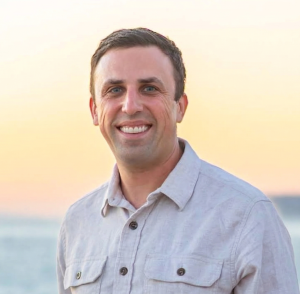
About the Author
Yosef Shapiro
Mortgage Broker at Electronic Mortgages Inc · NMLS #896711
For more than 15 years, I’ve had the privilege of helping people all over California with their biggest financial decision: buying a home. Whether you’re a first-timer just starting to explore your options or an experienced investor looking to expand, my goal is to make the entire process clear and, believe it or not, actually enjoyable.
Specializes in: preapprovals, refinancing, home equity loans, DSCR loans, conventional, first time homebuyer loans
Licensed in: CA
Related Posts