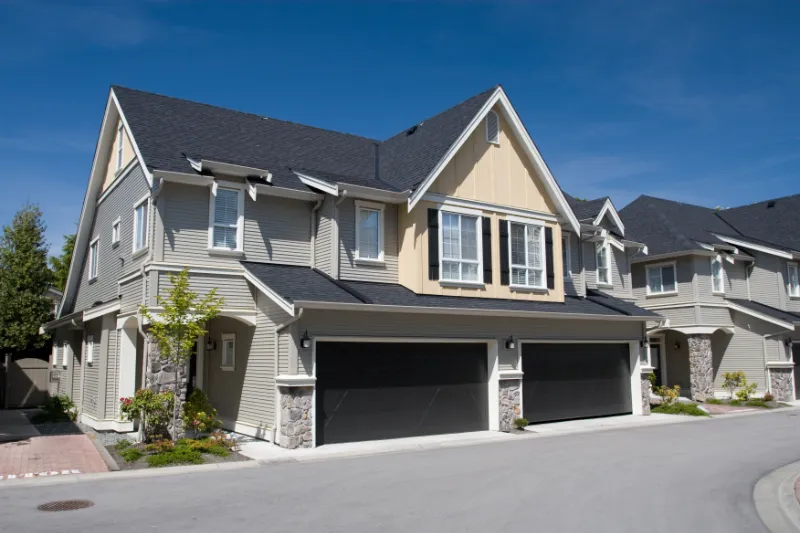
If you own investment property in South Orange County or anywhere else and you’re staring…
DSCR Loans: How Property Investors Qualify Without Traditional Income Proof

If you’re a real estate investor, you’ve probably run into the frustration of securing a loan when your personal income doesn’t check every box for a standard mortgage. **A DSCR loan—short for Debt Service Coverage Ratio loan—lets property investors qualify based on the cash flow of the property, rather than their personal income or tax returns.** In this article, I’ll explain what DSCR loans are, how the qualification process works, and why they’re popular in South Orange County and other coastal California markets.
Key Takeaways
- Purpose: DSCR loans are designed for real estate investors who want to purchase or refinance income-producing properties without relying on personal income verification.
- Qualification: Approval is based on the property’s rental income compared to its monthly mortgage payment, not the borrower’s salary or tax returns.
- Timeline: The process typically moves faster than traditional loans and requires less documentation—sometimes closing in as little as a few weeks.
- Best For: Investors with non-traditional income, those with multiple rental properties, or anyone needing flexible qualifying options.
Quick Answers: DSCR Loan Snapshot
- What does DSCR stand for? Debt Service Coverage Ratio—it measures whether a property’s rental income covers its mortgage payment.
- Who can use a DSCR loan? Real estate investors, including self-employed and those with complex finances.
- Is personal income checked? No—qualification relies primarily on property cash flow.
- Does the property have to be rented out? Yes—these loans are for investment or rental properties, not primary residences or vacation homes.
- Are rates and costs different from conventional loans? Often, yes—rates and down payments are typically a bit higher, but guidelines vary by lender.
What Is a DSCR Loan?
At Yosef Shapiro (NMLS# 896711), I work with a lot of investors who have solid properties, but maybe their tax returns are tricky or their income structure doesn’t fit a traditional loan. **A DSCR loan is a non-qualified mortgage (NON-QM) product that focuses on the income generated by the property itself.** Instead of analyzing your W2s or tax returns, the lender looks at the projected or actual rent and compares it to the proposed monthly payment—principal, interest, taxes, insurance, and HOA if applicable.
If the rental income covers or exceeds the payment (often at a 1.0x ratio or higher, but guidelines can vary), you’ve got a good shot at approval. There are lenders who will consider lower ratios if the rest of your file is strong, but that may come with higher costs or a larger down payment.
How Does the DSCR Calculation Work?
Let’s break it down simply:
- DSCR = Property’s Gross Monthly Rent / Monthly Housing Payment (PITI + HOA)
- A DSCR of 1.0 means the rent equals the payment. Above 1.0 is positive cash flow. Below 1.0 is usually considered riskier, but sometimes still possible with compensating factors.
- Appraisers commonly use market rent surveys to determine expected rent amounts for vacant or recently purchased properties.
Some lenders use actual signed leases. Others will use the appraiser’s market rent estimate. This simplicity makes DSCR loans especially attractive for investors who know how to spot and improve cash-flowing properties.
Who Are DSCR Loans Best For?
DSCR loans are ideal if you:
- Own multiple rental properties and your tax returns don’t easily show all your real cash flow
- Have complicated, seasonal, or non-traditional income (think self-employed, freelance, or heavy write-offs)
- Are buying turnkey or value-add properties for long-term rental income
- Want to close quickly without a mountain of paperwork
If you’re investing in Orange County, San Clemente, Dana Point, or anywhere in Southern California near the coast, these loans can be a game-changer, especially with property values and rents moving the way they have been lately.
Basic DSCR Loan Requirements
While every lender’s guidelines will be a little different, here’s what you can generally expect:
- Property Type: 1-4 unit residential investment property, sometimes condos and townhomes. Not for primary residences or second homes.
- Down Payment: Typically higher than conventional loans—many lenders want at least 20% down, but some will go lower with strong property cash flow or borrower profile.
- Credit Score: Minimums vary, but most want to see mid-600s or above.
- Rental Analysis: Actual leases or market rent surveys used to determine gross rental income.
- Source of Funds: Funds for down payment and reserves must be documented (bank statements, retirement accounts, etc.).
Rates and costs will differ depending on your profile, property location, and how much cash flow the property generates. DSCR loans also allow title to be held in some types of business entities (LLCs) for further flexibility.
DSCR Loan vs. Conventional Investment Property Loan
Here’s a quick side-by-side:
| Feature | DSCR Loan | Conventional Investment Loan |
|---|---|---|
| Income Documentation | Rely on property’s rent | W2s, tax returns, personal income |
| Debt-to-Income (DTI) Ratio | Not used | Required |
| Down Payment | Usually higher | May allow lower down payment |
| Closing Process | Less paperwork, often faster | More documentation, can be slower |
| Title Held In LLC | Often allowed | Usually more restricted |
Common Questions from DSCR Investors
Let’s talk through a couple scenarios I see pretty often in Orange County:
- Can you refinance out of a hard money or bridge loan using a DSCR product? Often, yes—as long as your property is stabilized and the rents check out.
- Are DSCR loans only for experienced investors? No, but familiarity with the rental market helps. First-timers can use them too, as long as the property’s numbers make sense.
- Are there limits on the number of properties financed? DSCR lenders are generally more flexible here than conventional lenders, but rules vary. Some don’t cap the number of loans if you have strong equity and cash flow.
- Can short-term rentals (STRs) qualify? Many lenders now allow DSCR loans for Airbnb or VRBO-type properties, but they’ll use conservative income projections, and guidelines can change quickly.
Pros and Cons of DSCR Loans
Pros:
- Minimal income paperwork
- Flexible to investors with varying or non-traditional income
- Works for LLCs and business entities in many cases
- Fast closings possible
Cons:
- Rates and fees may be somewhat higher than conventional loans
- Usually require more equity/down payment
- Not for owner-occupied homes—investment/rentals only
- Some lenders want minimum DSCR ratios that not every property can meet
How to Get Started With a DSCR Loan
If you want to see what you qualify for, we’ll typically start with:
- Property address and type
- Estimate of rent (actual leases or projected market rent)
- Rough idea of your credit and available funds
- Any information on existing mortgages or liens
I can definitely help with that—just send over the basic details and I’ll pull together a quote with estimated payment options, closing costs, and particulars for your scenario. Usually, I’ll ask for the purchase contract (if you’re buying), your LLC documents (if relevant), and a recent mortgage statement or lease (if you’re refinancing).
Why South Orange County and Inland OC Investors Use DSCR Loans
Investors in beach cities like San Clemente, Dana Point, or Laguna Niguel, as well as inland areas like Mission Viejo and Irvine, see DSCR products as a way to scale portfolios and close quickly, without the heavy documentation required by banks. DSCR works especially well where strong rents and high property values create attractive cash flow ratios.
If you manage multiple properties, invest in STRs, or just want a streamlined process, this loan is worth a look. The team at Electronic Mortgages Inc has seen more local investors using DSCR to move fast on opportunities as the rental market evolves.
Next Steps: Let’s Talk About Your Scenario
Happy to assist if you have questions about DSCR loans, rental properties, or different ways to qualify without traditional income proof. Every lender and property is a little different, so I always recommend a quick review before you lock anything in. Let’s talk—call, text, or email anytime and I’ll review your details, show you sample payment and closing breakdowns, and outline next steps. If you need help with preapproval planning or want guidance on refinancing out of a higher-rate loan, let me know if you have any questions in the meantime.
This is educational only and not financial advice. Loan programs and guidelines can change. Talk with a licensed mortgage professional about your specific scenario.
Frequently Asked Questions
What properties can be financed with a DSCR loan?
DSCR loans are used for non-owner-occupied properties—including single-family rentals, 2–4 unit properties, and some condos or townhomes. They are not for primary residences or vacation homes.
Do I need a lease in place to qualify for a DSCR loan?
Not always. Some lenders will accept appraiser market rent estimates for vacant properties, while others may require a current lease. It's best to review with your lender up front.
How much down payment is required for DSCR loans?
Down payment requirements are often higher than standard investment loans and can vary by lender, but many investors put at least 20% down. Check with your lender for current guidelines.
Can I use a DSCR loan for a short-term rental (Airbnb/VRBO)?
Yes, many lenders now offer DSCR loans for short-term rental properties, but they'll often be more conservative in calculating income and may have stricter requirements.
Can I put the property in an LLC with a DSCR loan?
DSCR lenders commonly allow you to take title in an LLC, and some even let the LLC be the borrower. Guidelines for this can vary, so always confirm before progressing.
This is educational and not financial advice. Loan programs and guidelines can change. Talk with a licensed mortgage professional about your specific scenario.

Related Posts